The Exciting Signs It's Time to Harvest Your Garden for Maximum Flavor and Freshness!
- Sarah Ford
- May 25, 2025
- 4 min read

Gardening is not just about planting; it’s a journey filled with anticipation and joy. Watching tiny seeds grow into lush plants is rewarding beyond measure. But the real thrill comes when it’s time to harvest your garden! Knowing when to pick your fruits and vegetables can significantly enhance their flavor and freshness. Get ready to discover essential signs that indicate it’s harvest time, ensuring that your garden bounty is at its best!
Understanding Your Crops
Every crop has its own unique traits and ideal harvest times. For example, root vegetables like carrots and beets should be harvested once they reach full size, typically around 2 to 3 inches in diameter for carrots. On the other hand, leafy greens such as spinach are best when picked young and tender, usually before they reach 6 inches tall.
A quick glance at seed packets can provide valuable insights. For instance, tomatoes typically take 60 to 85 days to mature, while green beans might only need about 50 to 60 days. Keeping a garden journal or setting reminders on your phone can help you track these timelines effectively.
Signs of Ripeness
Knowing when your crops are ripe is crucial. Here’s what to look for:
Color: The color change is a strong indicator of ripeness. Tomatoes transition from green to a vibrant red, signaling they are juicy and ready. Likewise, bell peppers turn from green to glossy yellow or red when fully matured. Use images from seed packets or trusted garden resources to ensure you're looking for the right shades.
Size: The optimal size for different vegetables varies. For instance, cucumbers should be harvested when they are firm and about 6 to 8 inches long. Zucchini can be picked at around 6 inches for the best flavor, while leaving them to grow larger can result in tough skin and less delicious fruit.
Texture and Firmness
The texture of your vegetables can also indicate when they are ready for harvesting:
Fruits like peaches and avocados should yield slightly when pressed. A ripe peach will have a little give but shouldn’t feel mushy.
Leafy greens should be vibrant and crisp. If they feel limp, they may have gone past their prime.
Take a moment to gently squeeze or touch your produce. Enjoying this tactile connection with your garden adds to the overall experience!
The Perfect Timing: Early vs. Late Harvests
Deciding when to harvest can depend on the variety and your taste preference.
Early Harvest: Many crops, such as baby carrots and young radishes, are sweeter and more tender when harvested early. For example, baby carrots can be pulled after about 30 days, giving you a delightful crunch.
Late Harvest: Conversely, leaving crops like melons and pumpkins on the vine longer allows their flavors to develop fully. For instance, a watermelon should be harvested when it produces a hollow sound upon tapping, indicating its ripeness. Too late, however, and they can become mealy or overly soft.

Weather Considerations
The weather can greatly influence your harvest schedule. Keep an eye on forecasts, especially as you near your anticipated harvest dates.
A sudden frost can ruin delicate crops such as basil or tomatoes, which thrive in warm conditions. A study found that a single frost can damage up to 70% of a crop if not protected. Similarly, extreme heat or excessive moisture can affect the taste and quality of produce.
Understanding your local climate can empower your gardening decisions and help you maximize your harvest.
Harvesting Techniques
When you decide it’s time to harvest, employing the right techniques can significantly enhance the quality of your produce:
Use proper tools: Select clean, sharp scissors or shears for cutting. This helps prevent damage to the plants and reduces the risk of disease.
Avoid spillage: Handle ripe produce gently to minimize bruising. For example, tomatoes can easily bruise if dropped, compromising their flavor and shelf life.
Make the most of the moment; harvesting is a celebration of growth, not just a chore!
Post-Harvest Care
Once your produce is gathered, it’s important to know how to store it correctly. Some vegetables, like leafy greens, should be washed and dried immediately, while root vegetables like potatoes fare better when kept unwashed in a cool, dark place, where they can last several weeks to months.
Understanding the proper storage methods helps ensure that your harvest remains fresh. For example, carrots stored in the refrigerator can stay crisp for up to three weeks, while tomatoes are best kept at room temperature for maximum flavor.
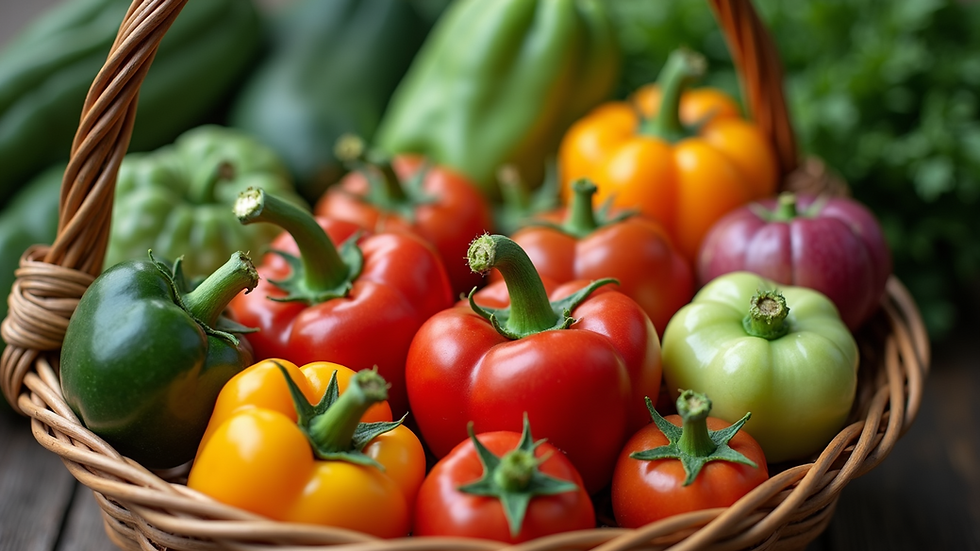
Celebrating Your Harvest
Harvesting your garden is a wonderfully satisfying experience that brings together the fruits of your labor, patience, and love from the growing season. By paying attention to the growth stages of your crops, observing signs of ripeness, and applying the right harvesting techniques, you can ensure your fruits and vegetables are at their peak freshness and flavor.
Every garden tells a unique story. As you embrace the excitement of this journey, celebrate your bountiful harvest with delicious meals that reflect the hard work you've put into your garden. Enjoy your fresh produce and happy harvesting!

$50
Product Title
Product Details goes here with the simple product description and more information can be seen by clicking the see more button. Product Details goes here with the simple product description and more information can be seen by clicking the see more button

$50
Product Title
Product Details goes here with the simple product description and more information can be seen by clicking the see more button. Product Details goes here with the simple product description and more information can be seen by clicking the see more button.
$50
Product Title
Product Details goes here with the simple product description and more information can be seen by clicking the see more button. Product Details goes here with the simple product description and more information can be seen by clicking the see more button.


Comments